
 +(91)8076372440
 sanjolirealign.official@gmail.com
 H-30, First Floor, Site C, U.P.S.l.D.A., Opp. Paramount Golf Foreste, Greater Noida

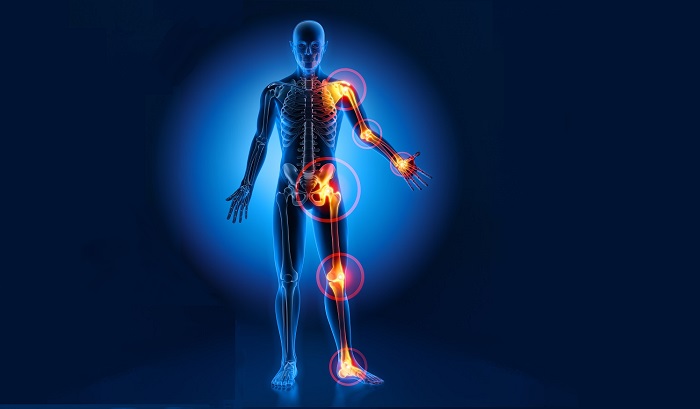
Musculoskeletal Rehabilitation and Physiotherapy in Greater Noida
Musculoskeletal rehabilitation is physiotherapy for problems affecting muscles, joints, tendons, ligaments and related movement. At Dr. Sanjoli's ReAlign Physio & Rehab in Greater Noida, treatment begins with an individual assessment and is planned around the patient's symptoms, physical findings, everyday activities and functional goals.
Our focus is not simply on where it hurts.
We look at what the problem is preventing you from doing, whether that means sitting comfortably at work, walking further, climbing stairs, lifting, exercising, returning to physical activity or managing normal household responsibilities.
The assessment creates the starting point. Rehabilitation is then progressed according to your response rather than applying the same programme to every patient.
What Is Musculoskeletal Rehabilitation?
The musculoskeletal system includes muscles, joints, tendons, ligaments and bones.
Pain or injury involving these structures can affect movement, strength, physical capacity and participation in everyday activities.
At Dr. Sanjoli's ReAlign, musculoskeletal rehabilitation connects three things:
• The patient's current problem
• The findings from physiotherapy assessment
• The physical activity the patient wants to regain
This means two patients with pain in the same body area may receive different rehabilitation plans.
One patient may need to regain comfortable movement for normal daily activities. Another may need greater strength and physical capacity for work or exercise.
Treatment is therefore selected according to the individual rather than the diagnosis alone.
How We Assess Musculoskeletal Problems at ReAlign
The first step is understanding the problem properly.
During the assessment, we discuss how the symptoms started, how they behave and which activities have become difficult.
Relevant previous injuries, medical conditions, investigations, treatment and exercise history are also considered.
Depending on the presentation, the physical assessment may examine:
• Relevant movement
• Joint mobility
• Muscle strength
• Functional tasks
• Balance or control where appropriate
• Tolerance to physical loading
• Activities connected to the patient's goal
Assessment is not about performing every available test.
It is about gathering the information required to determine what needs attention and whether physiotherapy is the appropriate next step.
If the history or examination suggests a condition requiring medical investigation or another professional's assessment, referral should take priority.
From Assessment to an Individual Rehabilitation Plan
After assessment, we identify the rehabilitation priorities.
The plan may focus initially on restoring manageable movement or adapting an aggravating activity.
As tolerance improves, rehabilitation may progress towards strengthening, functional movement and the physical demands the patient needs to regain.
For example, someone whose main difficulty is repeatedly standing from a chair may require a different progression from someone preparing to resume gym training.
At ReAlign, exercises should have a purpose.
Patients should understand:
• What they are practising
• Why it has been selected
• How it relates to their functional goal
• How the programme may progress
• When the plan needs review
This makes rehabilitation understandable rather than simply giving a patient an unexplained list of exercises.
Exercise Therapy Within Musculoskeletal Rehabilitation
Exercise therapy is an important component of many musculoskeletal rehabilitation programmes.
The appropriate exercise depends on the patient's presentation, physical capacity and intended activity.
A programme may involve mobility, muscle strengthening, endurance or functional movement.
Exercise difficulty can be progressed by changing resistance, repetitions, duration, range, speed or task complexity where appropriate.
More difficult exercise is not automatically better treatment.
The correct level is one that provides an appropriate challenge while remaining suitable for the person's condition and stage of rehabilitation.
Exercise therapy will have its own detailed treatment pathway as the ReAlign content architecture expands.
Core Stability and Movement Control
Some rehabilitation programmes may include exercises involving trunk control or movement coordination.
These exercises should be selected for a specific functional reason rather than based on the idea that everyone has a weak “core” that must be corrected.
Core stability training may be useful within selected rehabilitation programmes, but it should remain one component of a broader assessment-led plan where appropriate.
The aim is not to create fear about normal movement.
The aim is to help the patient develop the physical capacity needed for relevant activities.
Muscle and Tendon Problems
Muscle and tendon problems can develop after an obvious injury or gradually through repeated loading.
Rest may temporarily reduce symptoms, but returning immediately to the previous level of physical demand can sometimes reproduce the problem.
At ReAlign, physiotherapy assessment helps establish the activity that currently aggravates symptoms and the physical capacity that needs to be developed.
Rehabilitation can then be progressed towards the patient's real-life demands.
Depending on the problem, this might eventually include lifting, repeated movement, walking, running or another activity.
There is no single exercise that is appropriate for every muscle or tendon condition.
Joint-Related Musculoskeletal Problems
Joint problems may affect movement, strength and activities such as standing, walking, reaching or using stairs.
Treatment should reflect the joint involved, the diagnosis where known, physical findings and the patient's functional requirements.
For osteoarthritis, current NICE guidance identifies therapeutic exercise tailored to the person's needs as a core treatment and notes that exercise may initially increase some discomfort before providing longer-term functional benefit when continued appropriately.
This is one reason ReAlign's rehabilitation approach should not rely solely on passive treatment.
Exercise, education and functional progression remain important parts of appropriate musculoskeletal care.
Manual Therapy Within Musculoskeletal Rehabilitation
Hands-on treatment may have a role for selected patients, but it should have a defined purpose.
Manual therapy should not automatically become the entire rehabilitation programme simply because pain or stiffness is present.
For low back pain with or without sciatica, NICE recommends considering manual therapy only as part of a treatment package that includes exercise.
For hip or knee osteoarthritis, NICE similarly recommends considering manual therapy only alongside therapeutic exercise rather than using it as standalone treatment.
At ReAlign, the important question is therefore:
What is this treatment helping the patient do next?
If hands-on treatment is appropriate, it should complement the wider rehabilitation plan.
Progressive Strengthening
Pain, injury or reduced activity can make certain tasks physically harder.
Strengthening may therefore form part of rehabilitation when assessment identifies a relevant need.
The programme can begin at a manageable level and progressively introduce greater resistance or task difficulty.
The amount and rate of progression depend on the condition and the patient's response.
Strength is not measured only by how much weight someone can lift.
For many patients, the meaningful question is whether greater physical capacity allows them to perform an important activity more comfortably or confidently.
Functional Rehabilitation
Rehabilitation eventually needs to connect with real life.
Clinic exercises are useful when they prepare a patient for what happens outside the clinic.
Depending on the patient's goal, rehabilitation may progress towards:
• Repeated sitting and standing
• Walking
• Stair use
• Reaching
• Carrying
• Lifting
• Work-related physical tasks
• Recreational activity
• Exercise or sport
Not every patient needs advanced physical training.
The programme should stop being generic and become increasingly relevant to the activity the patient wants to regain.
Managing Activity While Recovering
Many patients ask whether they should completely stop activity when something hurts.
The answer depends on the condition.
For some presentations, temporary protection or activity modification is necessary. For others, continuing suitable activity can form part of recovery.
Patients should avoid assuming that either complete rest or “pushing through” significant symptoms is universally correct.
At ReAlign, activity guidance should be based on the assessment, medical context and response to rehabilitation.
Home Exercise and Self-Management
Rehabilitation continues beyond supervised appointments.
When appropriate, patients may receive exercises or activity guidance to practise outside the clinic.
A useful home programme should be:
• Clearly demonstrated
• Realistic for the person's routine
• Connected with the rehabilitation goal
• Progressed when appropriate
• Reviewed when difficulties arise
If an exercise repeatedly creates a concerning response or cannot be performed as instructed, the patient should discuss it rather than simply increase effort.
Progress Reviews at ReAlign
Rehabilitation should not continue indefinitely without checking whether it is helping.
At Dr. Sanjoli's ReAlign Physio & Rehab, progress should be considered in relation to the patient's original problem and agreed goals.
Depending on the programme, review may consider changes in:
• Relevant movement
• Physical tolerance
• Strength
• Functional task performance
• Ability to perform everyday activities
• Ability to progress exercise
If progress differs from expectations, the rehabilitation plan may need adjustment or reassessment.
Review is part of treatment rather than something that happens only at the end.
How Musculoskeletal Rehabilitation Differs from Orthopedic Physiotherapy
It focuses on muscle, joint and tendon-related movement problems and the process of rebuilding everyday physical function.
Advanced Orthopedic Physiotherapy provides a more focused pathway around orthopedic injuries, joint conditions, fracture-related recovery and rehabilitation connected with orthopedic treatment.
Keeping those roles distinct helps patients reach the service most relevant to their situation.
When Another ReAlign Service May Be More Appropriate
The first concern a patient describes may not always lead to musculoskeletal rehabilitation.
A sports injury requiring preparation for return to training may be better addressed through Sports Injury Rehabilitation.
Recovery following an operation may require Pre and Post Surgical Rehabilitation aligned with the surgeon's precautions.
A neurological condition affecting movement requires the neurological rehabilitation pathway.
The purpose of the assessment is therefore not to force every patient into one programme.
It is to establish the most appropriate rehabilitation pathway.
When Medical Assessment Should Come First
Physiotherapy is not a substitute for urgent medical care.
New symptoms following significant trauma, rapidly worsening neurological symptoms, severe unexplained illness or other concerning clinical features require appropriate medical evaluation.
For low back pain in particular, NICE guidance recommends considering alternative diagnoses when new or changed symptoms suggest causes such as trauma, infection, inflammatory disease or other serious pathology.
A responsible rehabilitation centre needs to recognise when treatment should pause and referral should take priority.
Why Choose Dr. Sanjoli's ReAlign for Musculoskeletal Rehabilitation?
Our approach is built around a straightforward principle:
Rehabilitation should connect assessment findings with the activity the patient actually wants to regain.
At Dr. Sanjoli's ReAlign Physio & Rehab in Greater Noida, this means beginning with the patient's difficulty, assessing relevant movement and physical function, creating individual rehabilitation priorities, progressing the programme according to response and reviewing whether that progress is translating into everyday activity.
The objective is not to use every technique available.
It is to select appropriate rehabilitation strategies for the individual patient.
Book a Musculoskeletal Physiotherapy Assessment in Greater Noida
If muscle or joint symptoms are affecting your movement, work, exercise or everyday activities, an individual physiotherapy assessment can help establish the appropriate rehabilitation pathway.
Bring available medical reports and details of previous treatment where relevant.
Tell us which activity matters most to you.
Dr. Sanjoli's ReAlign Physio & Rehab can then assess the problem and discuss appropriate next steps.
Muscle or Tendon Problem?
Start with an assessment of the activity and physical load currently aggravating your symptoms.
Joint Problem?
Discuss how the joint problem affects walking, stairs, reaching, work or other daily tasks.
Returning to Physical Activity?
Rehabilitation can be progressed toward the actual physical demands you need to regain.
Unsure Which Service You Need?
Describe your main movement difficulty and let assessment guide the appropriate ReAlign pathway.
What to Bring to Your Assessment
Existing information can help us understand what has already been investigated or recommended.
- Available prescription or referral
- Existing scan or investigation reports
- Previous physiotherapy information
- Relevant surgical or orthopedic advice
- Current medicine information
- Brace or support currently being used
- Suitable clothing for movement assessment
You do not need to arrange new imaging solely for your first physiotherapy appointment unless a treating clinician advises it.
Useful Questions to Ask About Your Rehabilitation Plan
Understanding the purpose of treatment helps you participate actively in rehabilitation.
- What are the main findings from my assessment?
- Which activity are we trying to improve first?
- Why has this exercise been selected?
- How should I respond if symptoms change?
- What can I practise outside the clinic?
- How will we decide when to progress?
- When should the plan be reviewed?
Ask for clarification whenever an exercise or treatment recommendation is unclear.
Signs Your Programme May Need Review
Reassessment may be useful when the response differs from what was expected.
- A new symptom appears
- Function is becoming progressively more limited
- Exercise instructions remain difficult to follow
- The programme no longer matches your activity goals
- You cannot progress despite following the plan
- Your medical situation or restrictions change
Review does not automatically mean more treatment. It helps determine the appropriate next step.
Help Us Make Your Rehabilitation More Relevant
Tell us about the real environment in which you need to function.
- Physical demands of your work
- Usual walking requirements
- Number or type of stairs you regularly use
- Exercise or recreational activities
- Caring responsibilities
- Equipment available at home
- Practical barriers to completing exercises
The more clearly we understand the activity, the more specifically rehabilitation can be planned around it.
Start with the Movement That Matters Most
You do not need to arrive knowing which exercise or treatment technique you need.
Tell us what is difficult, what you want to return to and what medical advice you have already received.
At Dr. Sanjoli's ReAlign Physio & Rehab in Greater Noida, that information becomes the starting point for assessment, individual rehabilitation planning and progress review.
FREQUENTLY ASKED QUESTIONS
What is musculoskeletal rehabilitation?
It is physiotherapy for muscle, joint, tendon, ligament and related movement problems, planned around assessment and functional goals.
Is musculoskeletal rehabilitation only for pain?
No. Patients may also seek rehabilitation for stiffness, weakness, reduced movement or difficulty returning to physical activities.
How is this different from orthopedic physiotherapy at ReAlign?
Musculoskeletal rehabilitation is the broader muscle, joint and movement pathway. Orthopedic physiotherapy provides a more focused pathway for orthopedic injuries, joint conditions and recovery connected with orthopedic treatment.
Do I need a scan before physiotherapy?
Not necessarily. The need for imaging depends on the presentation and medical context. Existing reports can be brought to the assessment.
Will I receive exercises?
Exercise may be part of rehabilitation when appropriate. The specific programme should follow assessment rather than being predetermined.
Is manual therapy part of musculoskeletal rehabilitation?
It may be considered for selected patients, but its role depends on the condition and should support rather than automatically replace active rehabilitation.
How many sessions will I need?
There is no responsible fixed number for every patient. The plan depends on assessment, goals and response to rehabilitation.
Should I stop exercising completely while I have pain?
That depends on the condition. Assessment helps determine what should be modified, protected or progressively continued.
Can physiotherapy guarantee that my problem will not return?
No. Outcomes and recurrence cannot be guaranteed.
What should I tell the physiotherapist first?
Start with the activity that has become difficult and the activity you most want to regain.
Book a Musculoskeletal Physiotherapy Assessment
Discuss your muscle or joint problem, movement limitations and functional goals with Dr. Sanjoli's ReAlign in Greater Noida.



 Emergency No. : +(91)8076372440