
 +(91)8076372440
 sanjolirealign.official@gmail.com
 H-30, First Floor, Site C, U.P.S.l.D.A., Opp. Paramount Golf Foreste, Greater Noida
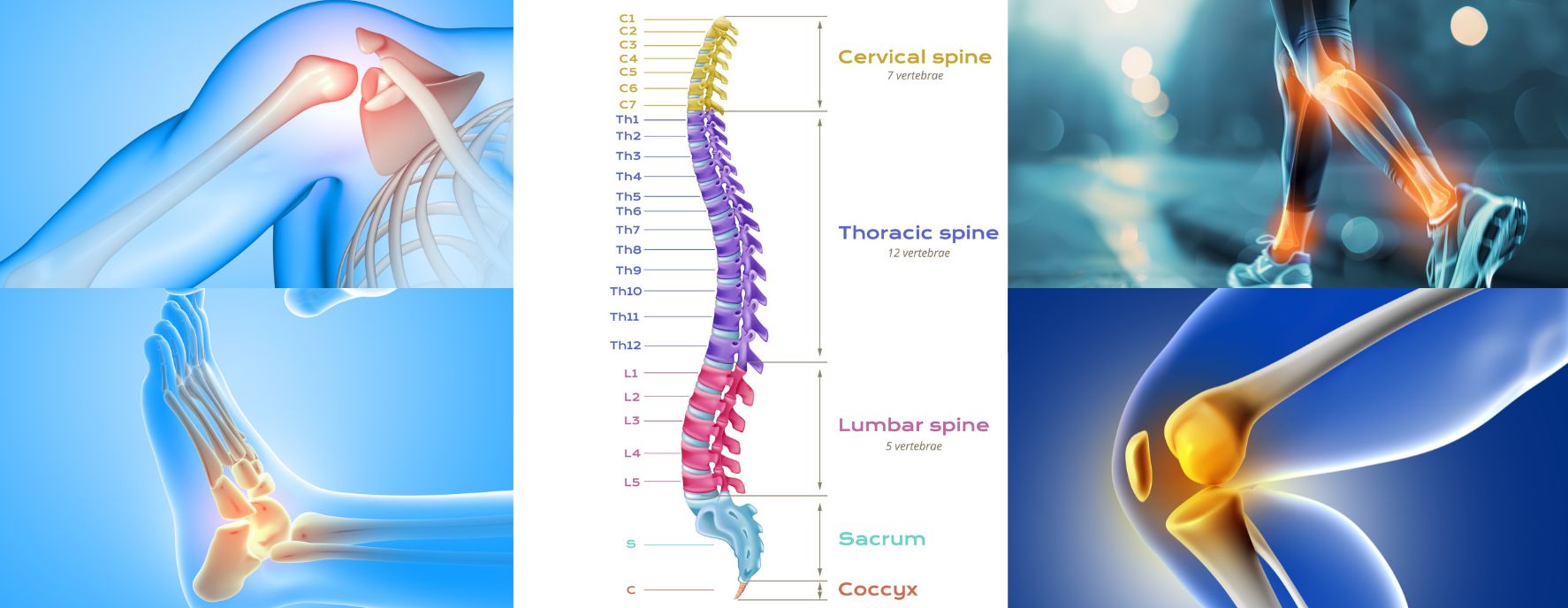
Orthopedic Physiotherapy for Joint and Injury Recovery in Greater Noida
Orthopedic physiotherapy supports movement and physical function when a joint, bone, muscle, tendon or ligament problem affects daily activities. Rehabilitation is planned after assessment and may involve exercise, movement practice and education. After a fracture or operation, treatment must also respect the treating clinician’s healing and loading precautions.
At Dr. Sanjoli's ReAlign Physio & Rehab in Greater Noida, the starting point is the activity you want to regain. That might mean climbing stairs, reaching a shelf, returning to work, walking outside or resuming exercise after orthopedic treatment.
A diagnosis helps explain the problem, but it does not tell the whole story. Two people with the same knee or shoulder diagnosis may have different movement restrictions, physical demands and rehabilitation priorities. An individual assessment connects the medical information with what is happening in everyday life.
Book an orthopedic physiotherapy assessment to discuss the difficulty that matters most to you.
Understanding Orthopedic Physiotherapy
“Orthopedic” and “orthopaedic” refer to the same area of care. Patients may also describe it as joint physiotherapy, injury rehabilitation or physio after orthopedic surgery.
This service focuses on recovery and physical function associated with joint conditions, injuries and orthopedic treatment. It is not a substitute for fracture management, surgical review or investigation of a new medical problem.
The aim is to establish what can be practised safely now, what requires protection and what needs to improve before the next activity is introduced. Rehabilitation should have a clear purpose rather than being a collection of treatments applied in the same way to every patient.
From Diagnosis to a Practical Rehabilitation Plan
Your first appointment brings together the history of the problem, current symptoms, medical advice and the demands of your usual activities.
The physiotherapist considers how the problem started, what has changed since then and which movements are limited. Physical examination is selected for the affected area and may involve observing movement, checking strength or assessing a relevant task.
A report or scan can contribute useful information, but it should be interpreted alongside symptoms and physical function. Treatment is not selected from the wording of a report alone.
The assessment also helps identify when another professional’s opinion is needed. If the findings suggest that physiotherapy is not the appropriate first step, referral or medical review should take priority.
How Rehabilitation Progresses
Rehabilitation often begins by finding a manageable starting point. That starting point depends on the condition, stage of healing and any restrictions already provided by the treating clinician.
The programme may then progress from controlled movement towards greater resistance, longer activity or more demanding functional tasks. Progression should reflect how the person responds, not simply how many appointments have been completed.
A patient returning to desk work may have different requirements from someone whose job involves lifting. A person recovering walking ability after an injury may need a different progression from someone returning to recreational sport.
The rehabilitation plan should therefore connect exercises with the activities they are intended to support.
Knee Pain Physiotherapy
Knee problems can affect walking, stairs, standing from a chair and other weight-bearing activities. The appropriate pathway depends on whether symptoms relate to an injury, joint condition, surgery or another cause.
Knee pain physiotherapy in Greater Noida provides a more focused route for understanding knee-specific difficulties. Within the broader orthopedic service, the emphasis is on selecting a suitable starting level and rebuilding the capacity needed for the patient’s goals.
A knee that is comfortable during a short walk may still need further preparation for repeated stairs or a physically demanding job. Rehabilitation should consider that difference.
Shoulder Pain Physiotherapy
Shoulder problems may interfere with reaching, dressing, lifting or using the arm at work. Assessment considers the pattern of symptoms and the movement or loading that is difficult.
Shoulder pain physiotherapy in Greater Noida is the dedicated pathway for these concerns. Rehabilitation should match the person’s current ability and the demands placed on the arm rather than assuming that all shoulder pain requires the same programme.
For some patients, the priority is a household task. For others, it is a work activity or exercise. Those priorities influence how treatment is progressed.
Frozen Shoulder Physiotherapy
A painful, restricted shoulder needs assessment before it is labelled as frozen shoulder. Different shoulder conditions can produce overlapping symptoms.
Frozen shoulder physiotherapy in Greater Noida provides a condition-specific pathway. The broader orthopedic service helps patients understand how their current shoulder limitations affect daily function and how activity can be approached within an appropriate plan.
Treatment should not promise that forceful stretching or a fixed number of sessions will restore movement. The approach needs to account for the person’s symptoms and clinical findings.
Hip Pain Physiotherapy
Hip-region symptoms can make walking, standing or changing position difficult. The source of pain cannot be confirmed from its location alone.
Hip pain physiotherapy in Greater Noida provides a focused assessment pathway for hip-related concerns. Rehabilitation is selected according to the findings and the activities the patient wants to regain.
Where symptoms suggest that medical investigation is required, that should be addressed before exercise progression is assumed to be appropriate.
Rehabilitation After a Fracture
After a fracture, permission to move or bear weight depends on the injury and treatment plan. A cast being removed does not automatically mean that every activity is unrestricted.
Fracture rehabilitation should follow the treating orthopedic team’s advice. Physiotherapy can then work within those instructions to address the movement and functional difficulties that remain.
The first priority is clarity: what is permitted, what is restricted and when the next medical review is due. If instructions are missing or unclear, they should be clarified rather than guessed.
Physiotherapy After Orthopedic Surgery
An operation-specific rehabilitation plan takes priority over a generic exercise routine. Different procedures protect different structures, and their precautions are not interchangeable.
Pre and post surgical rehabilitation is the dedicated pathway for preparing for or recovering from an operation. Page 016 introduces that connection without replacing the detailed surgical service.
Bring the procedure details and surgeon’s instructions so that physiotherapy can be aligned with the actual treatment received.
Joint Conditions and Therapeutic Exercise
For osteoarthritis, exercise should be tailored to the individual’s needs. The purpose is to support physical function and symptom management, not to claim that exercise reverses every structural joint change.
An appropriate programme may include local strengthening and general physical activity. The starting level should be manageable, with guidance on how to continue and how to respond if symptoms change.
Not every treatment offered in a physiotherapy clinic is suitable for every diagnosis. The choice should reflect the condition and supporting evidence rather than the availability of a machine or technique.
Hands-On Treatment Within a Wider Plan
Manual therapy may be considered for selected clinical situations, but it should have a defined role. It is not a replacement for the activity and exercise needed to regain function.
For hip or knee osteoarthritis, guidance supports considering manual therapy only alongside therapeutic exercise, not as a standalone management approach.
A useful question is: what is this treatment intended to help you do next? That keeps the programme focused on function rather than passive treatment alone.
When Sports Rehabilitation Is the Better Pathway
Orthopedic recovery and sports rehabilitation can overlap, but their end goals are not always the same.
Sports injury rehabilitation becomes relevant when the patient needs to return to the additional demands of training or sport. Being able to manage ordinary daily activities does not necessarily establish readiness for those demands.
The sports service should therefore provide the more detailed activity-specific progression, while orthopedic physiotherapy addresses the underlying joint or injury recovery pathway.
Working Between Appointments
A home programme should be achievable in the patient’s real circumstances. Instructions need to be clear enough to follow, with an agreed starting level and a way to discuss problems.
Doing more is not automatically better. If an exercise is repeatedly difficult to perform or produces a concerning response, the plan needs review rather than an assumption that the patient should push harder.
Tell the physiotherapist about barriers such as equipment, space, work hours or assistance needs. A plan that fits daily life is more useful than one that cannot be followed.
Reviewing Progress
Progress should be linked to the patient’s chosen activity. The question is not only whether symptoms have changed, but whether the person can do more of what matters.
The same task can be reviewed over time to understand whether assistance, tolerance or performance has changed. Findings help determine whether to progress, modify or reconsider the plan.
If progress is limited, reassessment is appropriate. More of the same treatment is not automatically the right answer.
Choosing an Orthopedic Physiotherapist in Greater Noida
Look for clear explanations, appropriate professional credentials and a plan connected to your problem. You should understand why a treatment is being recommended and what its limitations are.
At Dr. Sanjoli's ReAlign Physio & Rehab, an assessment is the starting point for discussing the next steps. Ask questions about your goals, medical precautions and the activities you want to resume.
Explore our physiotherapy and rehabilitation services, or contact the clinic to arrange an orthopedic physiotherapy assessment in Greater Noida.
Not Sure Which Service to Book?
Describe the activity that is difficult when contacting the clinic. You do not need to choose a diagnosis yourself.
Already Have an Orthopedic Report?
Bring the report and any treatment instructions so the assessment can consider the advice you have already received.
Looking for a Joint-Specific Guide?
Use the knee, shoulder, frozen shoulder or hip pathway for more focused information.
Need Help Planning Your Visit?
Contact the clinic about access, assistance or appointment arrangements before travelling.
Everyday Activities to Discuss at Your Assessment
Choose the activities you most want to regain. Specific examples help make the rehabilitation goal practical.
- Getting in and out of a car
- Putting on shoes or socks
- Carrying shopping
- Using a keyboard or tools
- Standing to prepare a meal
- Getting down to and up from the floor
- Completing a full work shift
- Taking part in a family outing
You can bring your own examples. The most useful goal is one that matters in your daily life.
Questions to Clarify After Orthopedic Treatment
If you have received a cast, brace, operation or fracture treatment, clarify any missing instructions with the treating team.
- How much weight may I put through the limb?
- Which movements are currently restricted?
- When should the brace or support be worn?
- Are there wound-care precautions?
- When is the next orthopedic review?
- What changes should prompt an earlier review?
Do not assume another patient’s instructions apply to your injury or procedure.
Useful Information to Record Between Visits
A brief record can make follow-up discussions more specific without requiring a complicated diary.
- Which prescribed activities you completed
- What you could do before symptoms limited you
- Whether the response changed later that day
- Whether sleep or daily tasks were affected
- Any new symptom or change in function
- Questions about an exercise instruction
Bring the record to your review. It helps explain what happened outside the clinic.
Seek Medical Care Rather Than Routine Physiotherapy
Some symptoms require urgent assessment, especially after an injury or operation.
- An obvious deformity or suspected dislocation
- A cold, pale or discoloured limb
- New or worsening loss of sensation or strength
- A hot, swollen joint with fever
- New wound discharge or spreading redness after surgery
- New calf swelling or pain after surgery or immobilisation
- Chest pain, severe breathlessness or collapse
Use emergency medical services for chest pain, severe breathlessness or collapse. Do not wait for a routine clinic appointment.
What an Exercise Instruction Should Make Clear
Before practising independently, ask for clarification if any part of the prescription is unclear.
- The starting position
- The movement to perform
- The prescribed amount
- The intended effort
- The response that is acceptable
- When to stop or contact the clinician
- When the exercise should be reviewed
Avoid substituting a more demanding online exercise without discussing whether it suits your current stage.
Make Your First Appointment Useful
Before your visit, write down one activity you want to improve and one question you want answered. This gives the assessment a clear starting point.
If you need help travelling, require assistance during the visit or have instructions from an orthopedic specialist, tell the clinic when arranging the appointment.
Book an orthopedic physiotherapy assessment at Dr. Sanjoli's ReAlign Physio & Rehab in Greater Noida.
FREQUENTLY ASKED QUESTIONS
Do I need a confirmed diagnosis before booking?
You can contact the clinic without choosing a diagnosis yourself. The assessment can help determine the appropriate pathway, including whether medical review is needed.
Are orthopedic and orthopaedic physiotherapy different?
No. They are alternative spellings of the same term.
Can physiotherapy guarantee that I will avoid surgery?
No. Surgery decisions depend on the condition, medical assessment and treatment response. Physiotherapy should not promise to replace an operation that is clinically necessary.
How many appointments should I book?
The number should be discussed after assessment. A fixed package is not appropriate for every condition.
Can I attend if I am already receiving care from an orthopedic specialist?
Yes, where physiotherapy is appropriate. Bring the specialist’s advice so the rehabilitation plan can be coordinated with it.
Should I stop my prescribed medicines before attending?
Do not stop or change prescribed medicines without advice from the prescribing clinician. Bring an up-to-date medicine list.
Is every treatment on the clinic’s equipment list suitable for my condition?
No. Treatment selection should depend on your diagnosis, assessment and supporting evidence.
Can a family member attend?
Ask when booking. A family member may be helpful if you need assistance or want support understanding the plan.
Can I request home physiotherapy?
Ask the clinic about current coverage and suitability. Do not assume a home visit is available for every location or clinical need.
What if I have had physiotherapy before without improvement?
Bring the previous plan and describe the response. Reassessment should consider whether the approach, diagnosis or referral needs to change.
Book an Orthopedic Physiotherapy Assessment



 Emergency No. : +(91)8076372440