
 +(91)8076372440
 sanjolirealign.official@gmail.com
 H-30, First Floor, Site C, U.P.S.l.D.A., Opp. Paramount Golf Foreste, Greater Noida
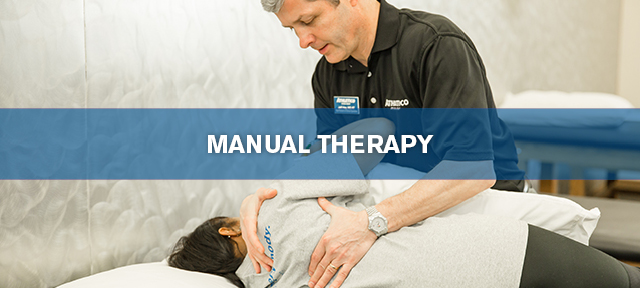
Manual Therapy and Hands-On Physiotherapy in Greater Noida
Manual therapy is a group of hands-on physiotherapy techniques that may be considered for selected pain and movement problems. It can include joint mobilisation and soft tissue treatment. The decision to use it follows assessment, and it should support an appropriate rehabilitation plan rather than replace exercise, education or medical care.
At Dr. Sanjoli's ReAlign Physio & Rehab in Greater Noida, the starting point is your movement difficulty, not a predetermined technique. You may want to turn your head more comfortably, use your arm at work or return to an activity after an injury. Assessment helps determine whether hands-on treatment has a useful role in that goal.
Manual therapy should not be presented as a cure for every painful condition. A treatment that is appropriate for one person may be unsuitable for another, even when both describe pain in the same area.
Book a physiotherapy assessment to discuss whether manual therapy is appropriate for your symptoms and rehabilitation needs.
What Manual Therapy Is Intended to Do
Hands-on treatment may be considered as one part of managing symptoms or movement restrictions. Its purpose should be explained in relation to a task the patient wants to improve.
For example, the clinician may consider whether a selected technique could help the patient participate in a prescribed movement or exercise. That does not mean the technique has repaired every structure responsible for the symptoms.
A useful treatment plan explains what is being attempted, how the response will be checked and what the patient will do alongside the hands-on component.
Assessment Comes Before Treatment
The physiotherapist first considers the history of the problem, symptom behaviour, previous treatment, relevant medical information and the activities that have become difficult.
The physical examination is selected according to the presentation. It may involve observing movement, examining the affected area and checking relevant physical function.
Touch is one part of assessment. It should not be described as a way to identify every underlying cause with certainty. Where the history or findings suggest a problem requiring medical investigation, referral takes priority over providing a requested technique.
Patients should tell the clinician about recent injuries, operations, medical diagnoses and instructions from another treating professional. These details can affect whether treatment is appropriate.
Manual Therapy for Pain and Mobility
Manual therapy for pain and mobility should be understood as a treatment option within a broader plan. Symptom relief is useful when it helps a person move, practise an exercise or resume an appropriate activity.
A change during a session does not establish that a condition has been permanently corrected. The response should be considered together with what happens during daily activity and whether meaningful function improves.
If a technique does not provide useful benefit, continuing it indefinitely is not automatically justified. The plan should be reviewed.
Joint Mobilisation
Joint mobilisation refers to clinician-applied movement of a joint. It may be considered when examination suggests a suitable role for it.
The technique, position and amount of movement should be selected for the individual. The patient should understand the purpose and be able to report discomfort or ask for the treatment to stop.
Joint mobilisation is not the same as assuming that a joint is “out of place.” A responsible explanation avoids creating fear about normal movement or suggesting that repeated treatment is always needed to keep the body aligned.
Soft Tissue Techniques
Soft tissue techniques involve hands-on treatment of muscles and surrounding tissues. They may be considered for selected presentations after assessment.
The clinician should explain the intended role without claiming that every painful area contains a blockage, adhesion or damaged tissue that must be released.
Treatment pressure should be discussed. A patient should not be told that severe pain is necessary for the treatment to work.
Soft tissue care should connect with the rehabilitation plan rather than become the only response to recurring symptoms.
Manual Therapy and Exercise
Hands-on care and active rehabilitation have different roles. Exercise gives the patient an opportunity to practise movement and develop the physical capacity needed for everyday activities.
For low back pain with or without sciatica, clinical guidance considers manual therapy only within a treatment package that includes exercise. It does not support offering traction for that presentation.
For hip or knee osteoarthritis, guidance considers manual therapy only alongside therapeutic exercise and explains that evidence is insufficient to support it as a standalone treatment.
These examples show why the diagnosis matters. A technique should not be recommended simply because it appears on a clinic’s treatment menu.
Choosing a Condition-Specific Pathway
This page explains manual therapy as a service. It does not replace assessment or a detailed guide for every condition.
If back or neck symptoms are the main concern, spinal rehabilitation provides the broader pathway for understanding movement-related needs. Joint or injury recovery may be better addressed through orthopedic physiotherapy. Persistent pain may require a wider pain-management approach.
The role of manual therapy should be considered within the appropriate pathway, not used to make every condition page repeat the same treatment description.
After Injury or Surgery
Recent injury and surgery can change what is safe to do. A patient may have movement, loading or wound-related restrictions that must be respected.
Do not assume that a hands-on technique is appropriate simply because stiffness is present. The clinician needs the diagnosis, procedure details and relevant instructions before deciding how treatment should proceed.
If restrictions are unclear, clarification is more appropriate than guessing.
What About Other Treatment Techniques?
Dry needling in physiotherapy, cupping therapy and IASTM in physiotherapy are separate treatment options. They are not interchangeable with joint mobilisation or automatically required because someone books manual therapy.
Each needs its own assessment, explanation, consent and consideration of evidence, risks and practitioner competence.
A treatment being available does not make it appropriate for every condition. For example, osteoarthritis guidance does not recommend dry needling for managing osteoarthritis.
Ask why a particular technique is being proposed and how it contributes to the agreed goal.
Reviewing Whether Treatment Is Helping
Treatment review should consider more than whether an area feels different immediately after a session.
The patient and clinician can discuss whether the chosen activity is easier, whether prescribed practice is manageable and whether the overall plan is moving towards the agreed goal.
If improvement is limited or symptoms change, reassessment is appropriate. The next step may be modifying treatment, changing the exercise plan or seeking additional medical input.
The purpose of review is to make decisions, not simply to repeat the same appointment.
Your Role in the Decision
You can ask for an explanation before treatment and choose not to proceed with a technique. You can also request a change in position, pressure or approach.
A treatment plan should account for your preferences as well as the clinical findings. Hands-on treatment is an option to discuss, not an obligation.
Tell the clinician if you are uncomfortable with touch or have concerns about a proposed technique. An appropriate alternative plan can then be considered.
Choosing Manual Therapy in Greater Noida
Look for an assessment-led explanation, clear consent and a plan that includes what you can do outside the treatment session.
Be cautious about promises of guaranteed recovery, permanent realignment or avoiding surgery. The appropriate care depends on the actual condition and medical context.
At Dr. Sanjoli's ReAlign Physio & Rehab, contact the clinic to discuss your symptoms and arrange an assessment. Explore our physiotherapy and rehabilitation services to understand the available care pathways.
Before You Agree
Ask what the proposed treatment is intended to achieve and how its response will be reviewed.
Your Comfort Matters
Discuss positioning and pressure. You can ask for a technique to be changed or stopped.
Treatment Is a Choice
If you prefer not to receive hands-on care, discuss other appropriate options with the clinician.
Beyond the Appointment
Make sure you understand the activity or exercise plan that accompanies the treatment.
Information to Share Before Hands-On Treatment
Tell the physiotherapist about relevant health information before treatment begins.
- Recent injury or operation
- Current medical diagnoses
- Prescribed medicines
- Previous reactions to treatment
- Skin problems around the treatment area
- Advice or restrictions from another clinician
- Any concern about touch or positioning
This information helps the clinician decide what requires further assessment or clarification.
Questions to Ask About a Proposed Technique
Use these questions to understand the treatment decision.
- Why are you recommending this technique?
- What benefit are we looking for?
- What are its limitations?
- What risks are relevant to me?
- What alternatives can we consider?
- How will we decide whether to continue?
You should have an opportunity to ask questions before giving consent.
What to Bring to Your Appointment
Bring relevant information rather than arranging new investigations solely for the appointment.
- Existing medical reports
- Available scan reports
- Surgical instructions if applicable
- Current medicine list
- Details of previous physiotherapy
- Clothing suitable for examining the affected area
Contact the clinic beforehand if you need help with access or appointment arrangements.
Useful Notes for Your Follow-Up
A short record can help explain what happened between appointments.
- The activity you attempted
- What changed during that activity
- Any new symptom
- Difficulty following an instruction
- Whether the plan fitted your daily routine
- Questions you want answered
The record is for discussion, not for diagnosing the problem yourself.
Make Your Assessment Specific
Before your appointment, choose one activity you want to improve and write down one concern about treatment. Bring these to the discussion so the plan has a clear starting point.
Book a manual therapy assessment at Dr. Sanjoli's ReAlign Physio & Rehab in Greater Noida.
FREQUENTLY ASKED QUESTIONS
Is manual therapy the same as massage?
Manual therapy is a broader term that can include joint mobilisation and soft tissue techniques. The appropriate treatment is selected after assessment.
Does treatment need to be painful?
Severe pain should not be presented as necessary. Discuss your comfort and report any concerning response.
Do I need to hear a clicking sound?
A sound is not a treatment goal and should not be used as proof that a problem has been corrected.
Can I book a particular technique without an assessment?
You can ask about it, but suitability should be assessed before it is provided.
Will I need hands-on treatment at every appointment?
Not necessarily. Its role should be reviewed according to the treatment plan and response.
Can manual therapy guarantee that I will avoid surgery?
No. Surgery decisions require the appropriate medical assessment and cannot be replaced by a guarantee from a treatment service.
Should I stop prescribed medicines?
Do not change prescribed medicines without advice from the prescribing clinician.
Can I attend while receiving care from another specialist?
Discuss this when booking and bring the specialist’s instructions so care can be coordinated.
How many sessions are required?
There is no fixed number for every patient. The plan should be discussed after assessment and reviewed.
Can I choose exercise-based care instead?
You can discuss your preference. The clinician should explain appropriate options for your presentation.
Book a Physiotherapy Assessment



 Emergency No. : +(91)8076372440