
 +(91)8076372440
 sanjolirealign.official@gmail.com
 H-30, First Floor, Site C, U.P.S.l.D.A., Opp. Paramount Golf Foreste, Greater Noida
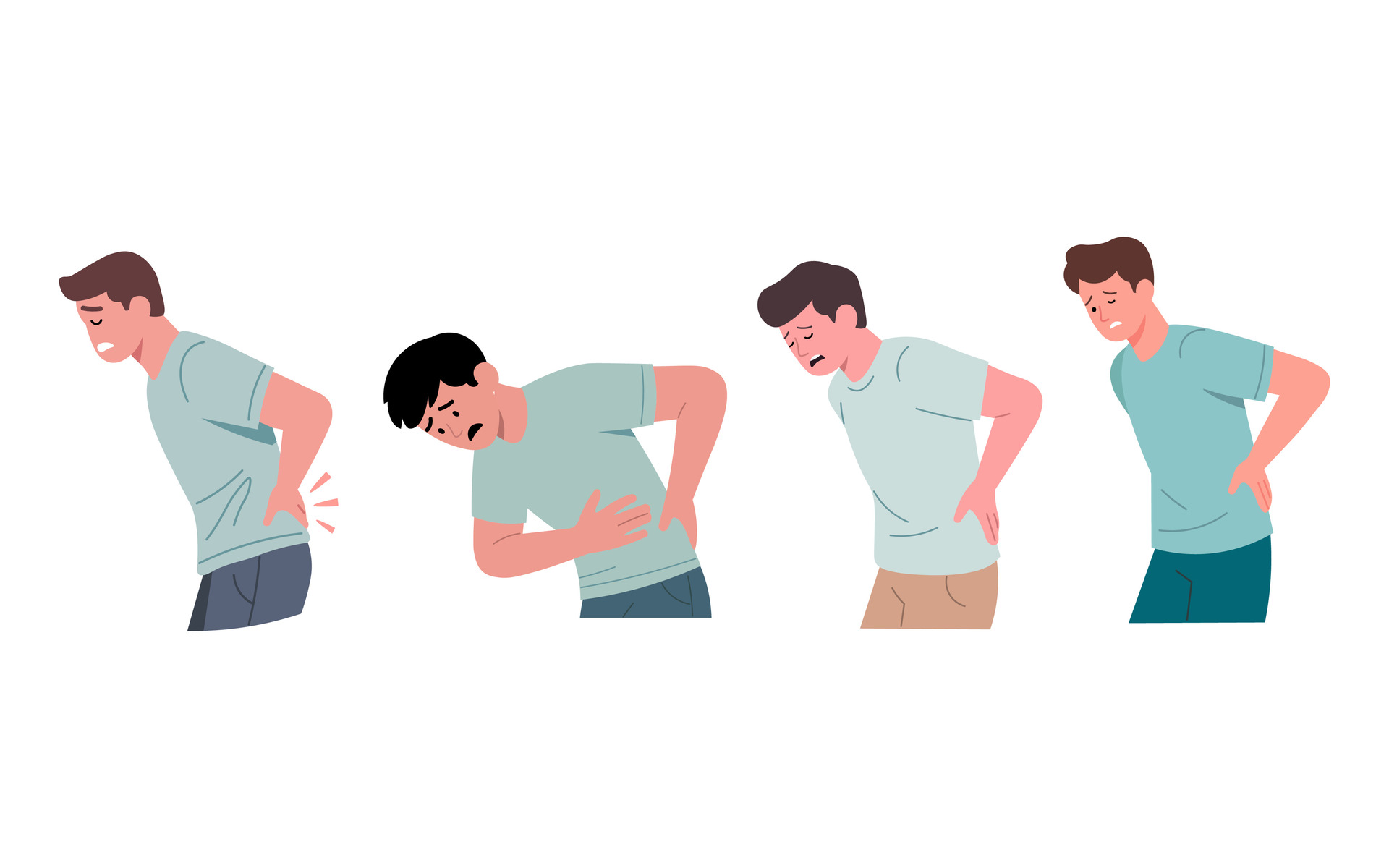
Sciatica is a condition characterized by pain that radiates along the path of the sciatic nerve, which runs from the lower back through the hips, buttocks, and down each leg. It usually affects one side of the body and can range from mild discomfort to severe, debilitating pain. Sciatica is not a disease itself but a symptom of an underlying problem involving the lower spine or surrounding nerves.
Sciatica may send pain down your path, but with the right care and movement, you can take control and move forward again.
What Causes Sciatica?
The most common cause of sciatica is a herniated or slipped disc in the lower spine. When a disc bulges or ruptures, it can press on the sciatic nerve, leading to pain and nerve irritation. Another frequent cause is spinal stenosis, a condition in which the spinal canal narrows and puts pressure on the nerves.
Other possible causes include degenerative disc disease, spondylolisthesis, muscle spasms in the lower back or buttocks, and injuries affecting the spine. In rare cases, infections or tumors may also compress the sciatic nerve. Poor posture, prolonged sitting, obesity, and lack of physical activity can increase the risk of developing sciatica.
Common Symptoms of Sciatica
The hallmark symptom of sciatica is radiating pain that starts in the lower back or buttock and travels down the leg. The pain may feel sharp, burning, or electric in nature. Some people experience tingling, numbness, or muscle weakness in the affected leg or foot.
Pain often worsens with prolonged sitting, standing, coughing, or sudden movements. In severe cases, sciatica can make walking or bending difficult and may significantly interfere with daily activities and sleep.
Diagnosis and Treatment Options
Diagnosis of sciatica typically involves a detailed medical history and physical examination. A doctor may check reflexes, muscle strength, and flexibility to identify nerve involvement. Imaging tests such as MRI or CT scans may be recommended if symptoms are severe, persistent, or worsening.
Treatment focuses on relieving nerve pressure and reducing pain. For mild cases, rest, heat or cold therapy, and over-the-counter pain relievers can be helpful. Physiotherapy is often recommended to strengthen core muscles, improve posture, and increase spinal flexibility.
In some cases, medications such as muscle relaxants or anti-inflammatory drugs may be prescribed. Corticosteroid injections may be used to reduce inflammation around the nerve. Surgery is considered only when conservative treatments fail or when there is significant nerve damage or loss of bowel or bladder control.
Preventing Sciatica
Preventing sciatica largely involves maintaining good spinal health. Regular exercise, especially activities that strengthen the core and lower back muscles, helps support the spine. Maintaining a healthy weight reduces stress on the lower back.
Using proper posture while sitting, standing, and lifting heavy objects is crucial. Avoiding long periods of sitting and taking regular breaks to stretch can significantly lower the risk of nerve compression.
Conclusion
Sciatica can be painful and disruptive, but most cases improve with proper care and lifestyle adjustments. Early treatment, consistent physiotherapy, and attention to posture can help relieve symptoms and prevent recurrence. Understanding the causes of sciatica empowers individuals to take proactive steps toward long-term back and nerve health.
 Emergency No. : +(91)8076372440