
 +(91)8076372440
 sanjolirealign.official@gmail.com
 H-30, First Floor, Site C, U.P.S.l.D.A., Opp. Paramount Golf Foreste, Greater Noida
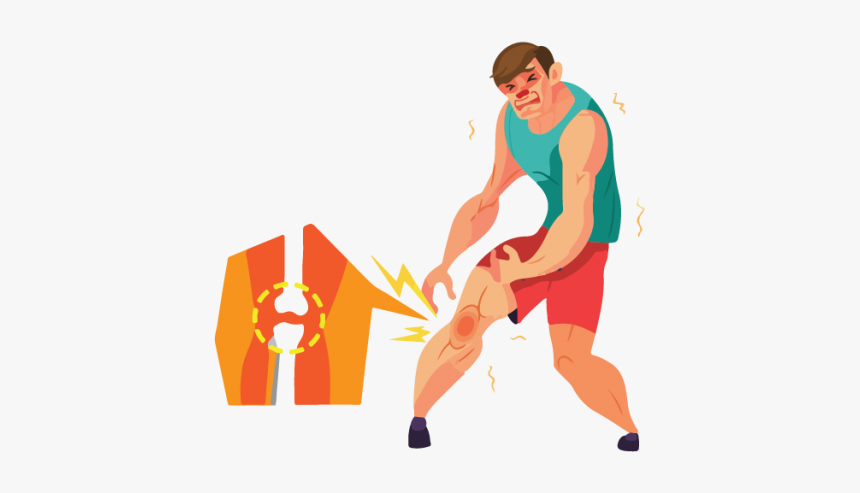
Knee pain is a common health complaint that affects people of all ages. From young athletes to older adults, knee discomfort can interfere with daily activities such as walking, climbing stairs, or even sitting for long periods. The knee is one of the largest and most complex joints in the body, bearing significant weight and stress. Because of this, it is particularly vulnerable to injury, wear, and disease.
Knee pain may slow your steps, but with patience, care, and the right treatment, it can never stop your journey forward.
Common Causes of Knee Pain
There are many possible causes of knee pain, and identifying the root problem is essential for proper treatment. One of the most frequent causes is injury. Ligament injuries, such as ACL or MCL tears, meniscus tears, and fractures often occur due to sports, accidents, or sudden twisting movements. These injuries can cause immediate pain, swelling, and instability in the knee.
Another major cause is arthritis. Osteoarthritis, the most common form, develops due to the gradual wear and tear of cartilage over time. Rheumatoid arthritis, an autoimmune condition, can also affect the knee, leading to inflammation, stiffness, and chronic pain. Gout and infectious arthritis are less common but can cause severe knee discomfort as well.
Overuse is another important factor. Repetitive movements, excessive running, squatting, or kneeling can strain the knee joint and surrounding muscles. Conditions such as patellar tendinitis, often called “jumper’s knee,” result from repeated stress on the knee tendon.
Can a Stroke Patient Walk Again?
Symptoms to Watch For
Knee pain can present in different ways depending on the cause. Common symptoms include swelling, stiffness, redness, and warmth around the joint. Some people experience sharp pain, while others feel a dull ache that worsens with movement. Weakness or instability, where the knee feels like it might give way, is also a concerning sign. In some cases, there may be a reduced range of motion or difficulty fully straightening or bending the knee.
If knee pain is severe, persistent, or accompanied by fever, significant swelling, or inability to bear weight, medical attention should be sought promptly.
Diagnosis and Treatment Options
Diagnosing knee pain usually involves a physical examination, medical history, and sometimes imaging tests such as X-rays, MRI, or CT scans. Blood tests may be required if arthritis or infection is suspected.
Treatment depends on the underlying cause. For mild to moderate knee pain, rest, ice application, compression, and elevation are often effective. Over-the-counter pain relievers and anti-inflammatory medications may help reduce pain and swelling.
Physical therapy plays a crucial role in strengthening the muscles around the knee, improving flexibility, and restoring movement. In cases of severe injury or advanced arthritis, injections or surgical intervention may be recommended. Procedures can range from minimally invasive arthroscopy to total knee replacement in extreme cases.
Preventing Knee Pain
Prevention is always better than treatment. Maintaining a healthy weight reduces pressure on the knees and lowers the risk of joint damage. Regular exercise that focuses on strengthening the quadriceps, hamstrings, and calf muscles helps support the knee joint. Low-impact activities such as swimming, cycling, and walking are especially beneficial.
Using proper techniques during sports, wearing supportive footwear, and warming up before physical activity can significantly reduce the risk of injury. Listening to your body and avoiding overuse is equally important.
Conclusion
Knee pain is a widespread issue that can significantly affect quality of life, but it is often manageable with the right approach. Understanding the causes, recognizing symptoms early, and following appropriate treatment and prevention strategies can help maintain healthy knees. With proper care and timely intervention, most people can reduce knee pain and continue to lead active, comfortable lives.

 Emergency No. : +(91)8076372440