
 +(91)8076372440
 sanjolirealign.official@gmail.com
 H-30, First Floor, Site C, U.P.S.l.D.A., Opp. Paramount Golf Foreste, Greater Noida
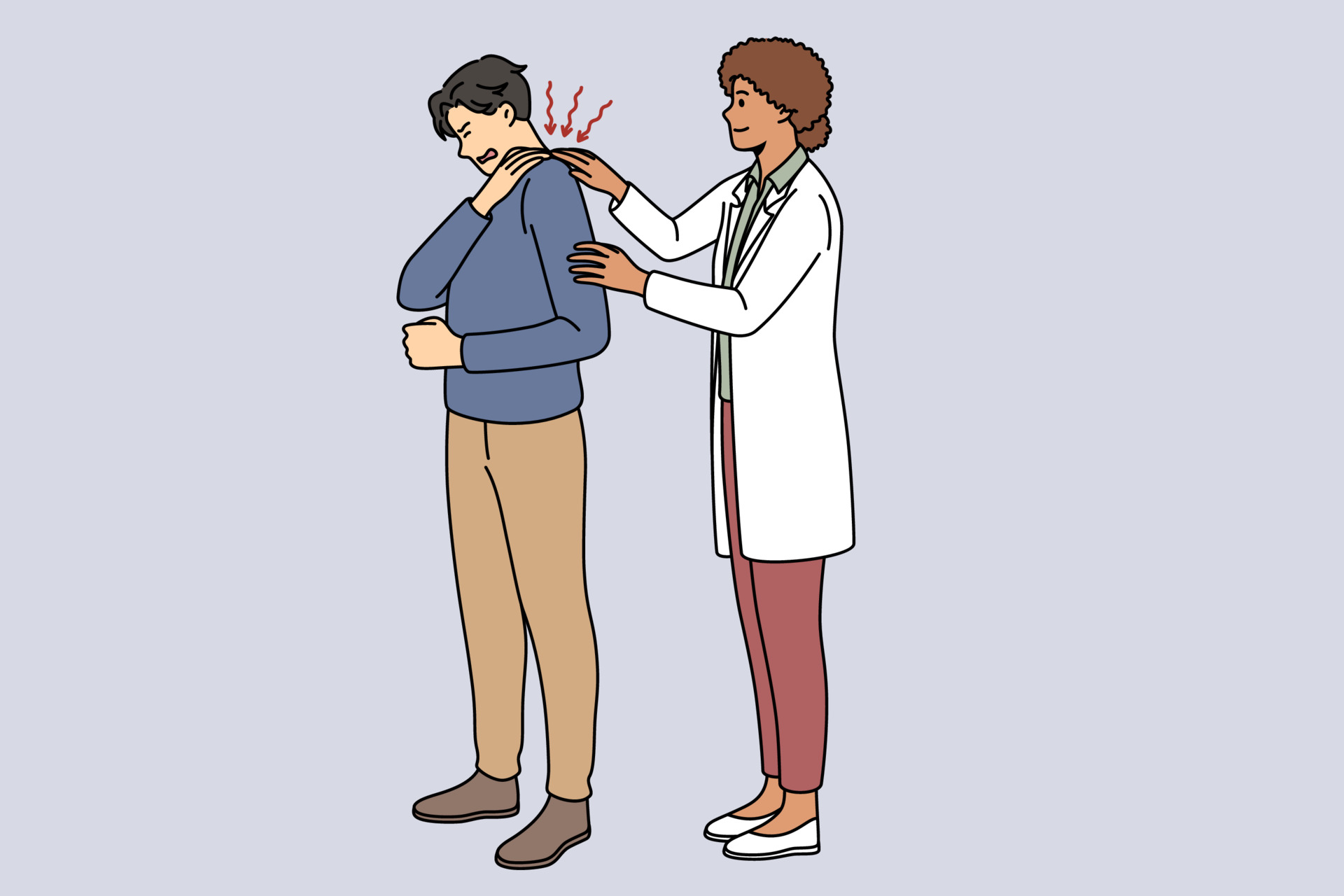
Frozen shoulder, medically known as adhesive capsulitis, is a painful and restrictive condition that affects the shoulder joint. It is characterized by stiffness, reduced range of motion, and persistent pain that can make everyday activities difficult. Simple movements such as combing hair, reaching overhead, or fastening clothing may become challenging. Frozen shoulder often develops gradually and can take months or even years to fully resolve if not managed properly.
Frozen shoulder may limit your movement for a while, but steady care, patience, and persistence can help you regain strength and freedom again.
What Is Frozen Shoulder?
The shoulder is a ball-and-socket joint surrounded by a capsule of connective tissue. In frozen shoulder, this capsule becomes thickened, inflamed, and tight. As a result, the space within the joint reduces, limiting movement and causing pain. Over time, adhesions may form inside the joint, further restricting mobility.
Frozen shoulder typically affects one shoulder, although in some cases it may later develop in the opposite shoulder as well.
Common Causes and Risk Factors
The exact cause of frozen shoulder is not always clear, but several factors increase the risk. Prolonged immobility of the shoulder is one of the most common triggers. This often occurs after an injury, fracture, surgery, or stroke, when the arm is not moved enough during recovery.
Certain medical conditions are strongly associated with frozen shoulder. People with diabetes are at a significantly higher risk, and the condition tends to be more severe and longer-lasting in them. Other risk factors include thyroid disorders, heart disease, Parkinson’s disease, and hormonal imbalances.
Frozen shoulder is more common in people between the ages of 40 and 60 and occurs more frequently in women than in men.
Stages and Symptoms
Frozen shoulder usually progresses through three distinct stages.
The first is the freezing stage, during which pain gradually increases. Shoulder movement becomes painful and limited, especially at night. This stage can last several weeks to months.
The second is the frozen stage. Pain may reduce slightly, but stiffness becomes more pronounced. The shoulder feels rigid, and daily tasks become increasingly difficult. This stage can last several months.
The final stage is the thawing stage. During this phase, shoulder movement slowly improves, and pain continues to decrease. Full or near-full recovery is possible, but it may take months to over a year.
Diagnosis and Treatment
Diagnosis is based on medical history, physical examination, and assessment of shoulder movement. Imaging tests such as X-rays or MRI may be used to rule out other conditions like arthritis or rotator cuff injuries.
Treatment focuses on pain relief and restoring mobility. In the early stages, pain management is important. Anti-inflammatory medications, heat therapy, and gentle stretching exercises are commonly recommended.
Physiotherapy plays a key role in recovery. A structured exercise program helps gradually improve flexibility and strength. In some cases, corticosteroid injections may be used to reduce inflammation and pain, especially during the freezing stage.
If conservative treatment does not provide relief, more advanced options such as joint distension or surgical intervention may be considered. These are usually reserved for severe or persistent cases.
Prevention and Self-Care
While frozen shoulder cannot always be prevented, maintaining shoulder movement during recovery from injury or surgery is essential. Gentle range-of-motion exercises, as advised by a healthcare professional, can significantly reduce the risk.
Managing underlying conditions such as diabetes and maintaining an active lifestyle also help support joint health. Avoiding prolonged inactivity and addressing shoulder pain early can prevent progression to severe stiffness.
Conclusion
Frozen shoulder is a challenging condition that tests patience due to its slow recovery process. However, with early diagnosis, consistent physiotherapy, and proper medical guidance, most people regain good shoulder function over time. Understanding the condition and committing to treatment are key steps toward relief and long-term recovery.
 Emergency No. : +(91)8076372440